



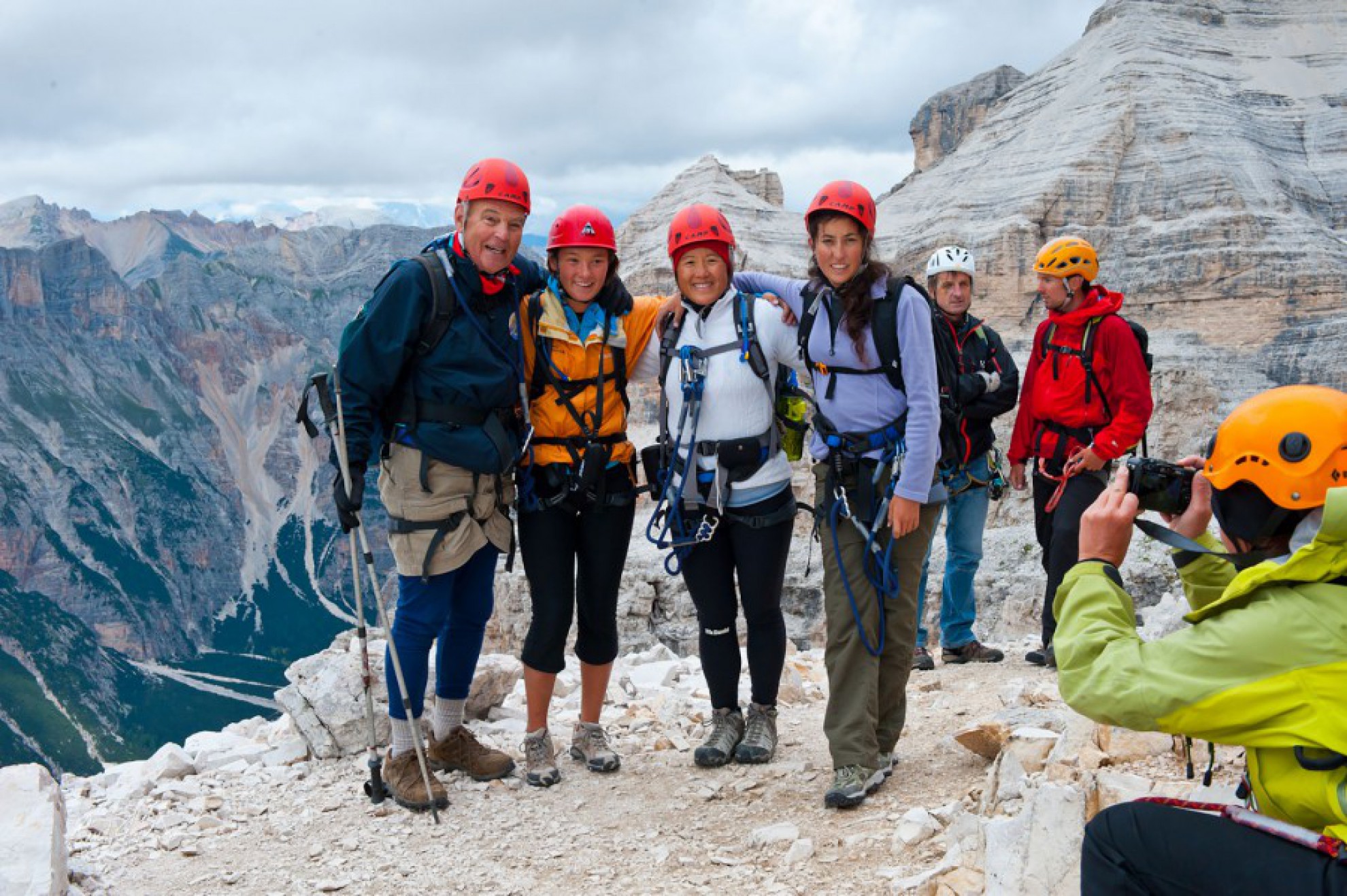
Join us for five awesome days of climbing different via ferrata routes in the Dolomites. Sleep in mountain rifugios, explore Cortina, eat delicious food, and get a taste of what climbers and mountaineers see from up there.
Highlights
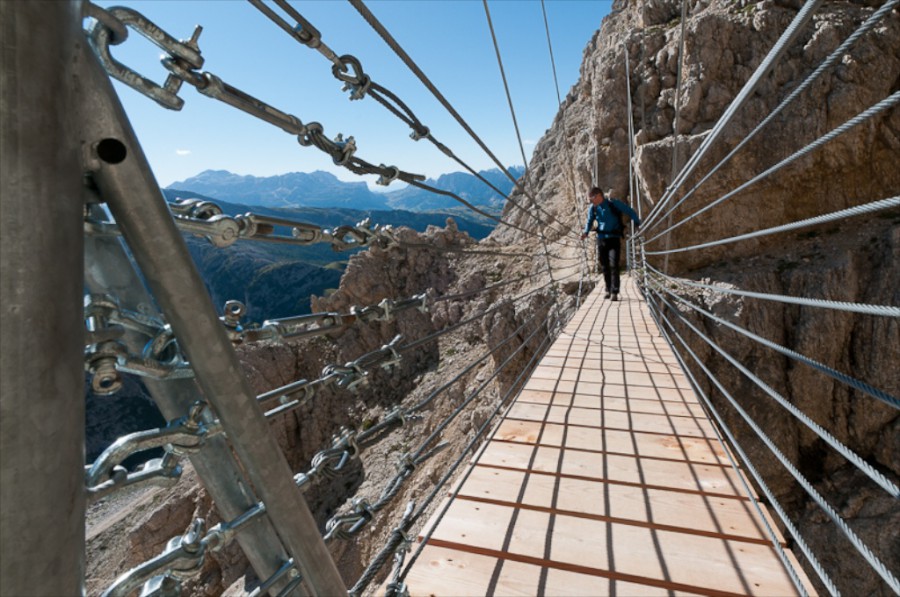
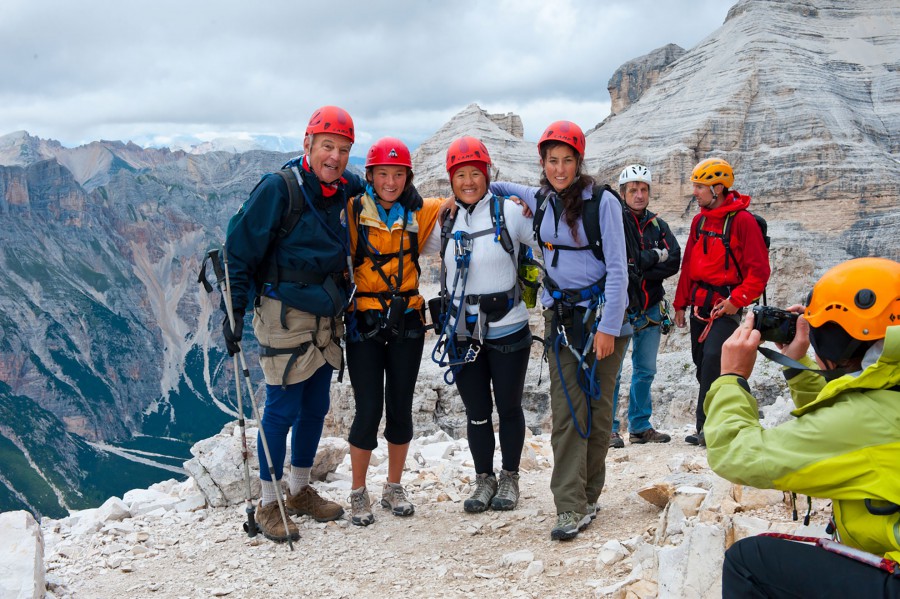
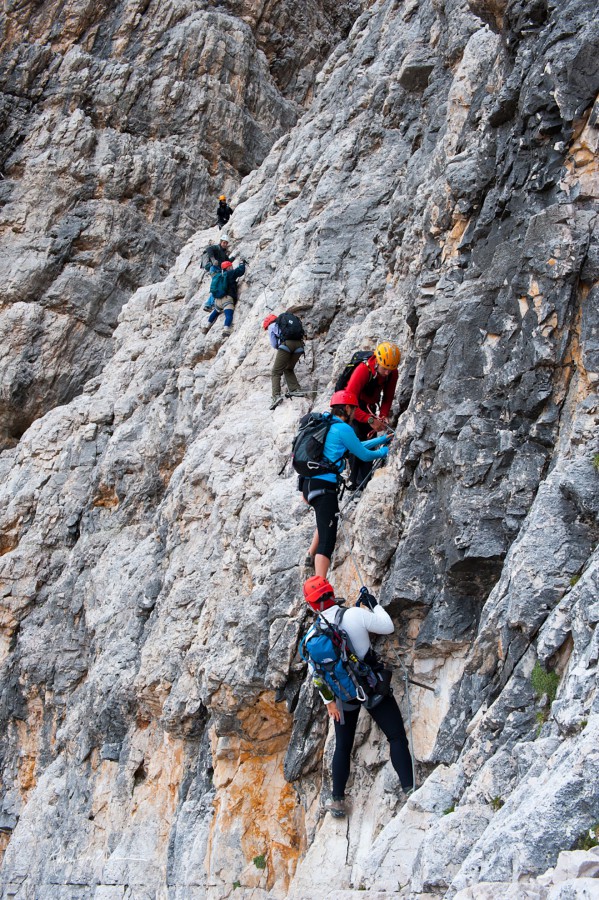
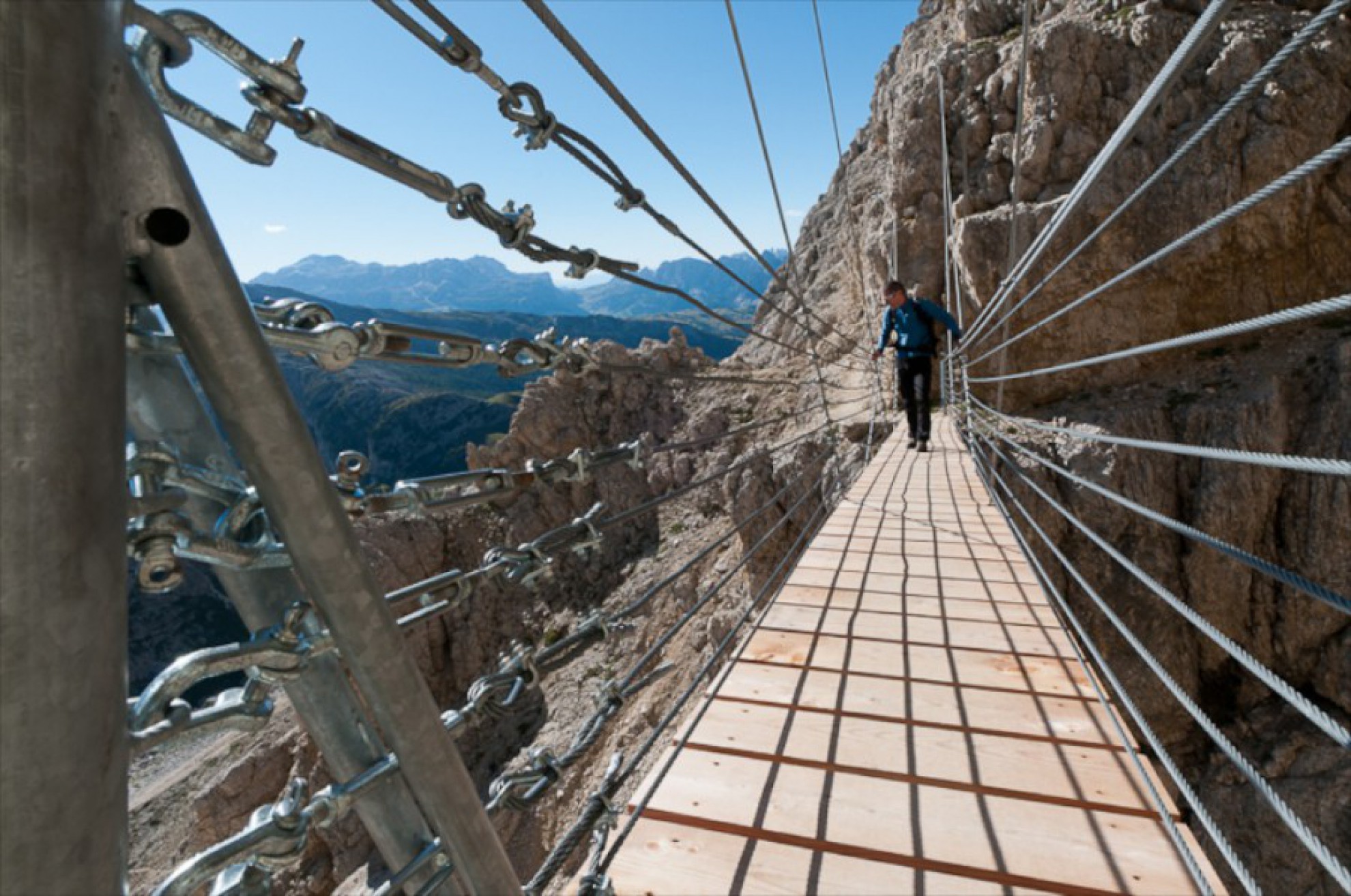
- Climb a different via ferrata each day around Cortina d'Ampezzo
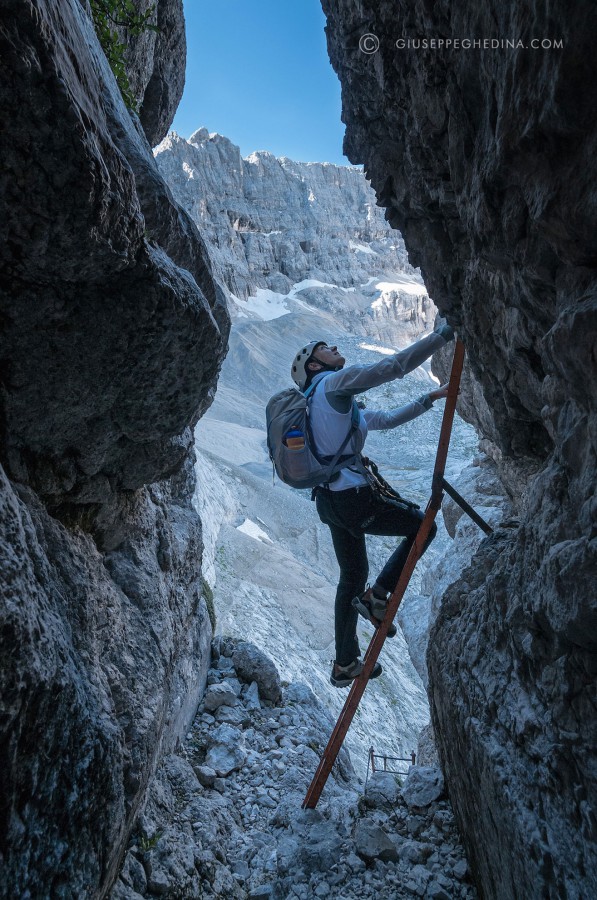
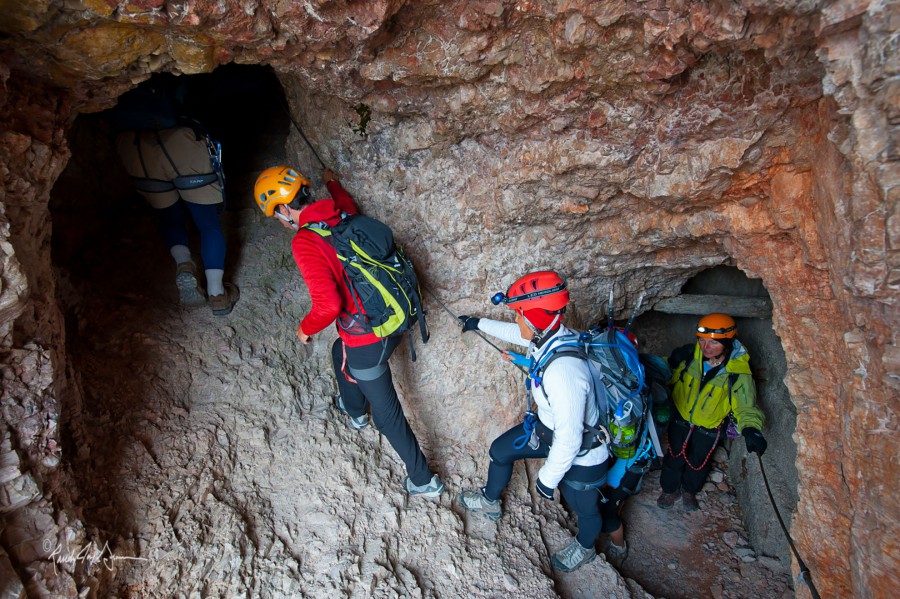
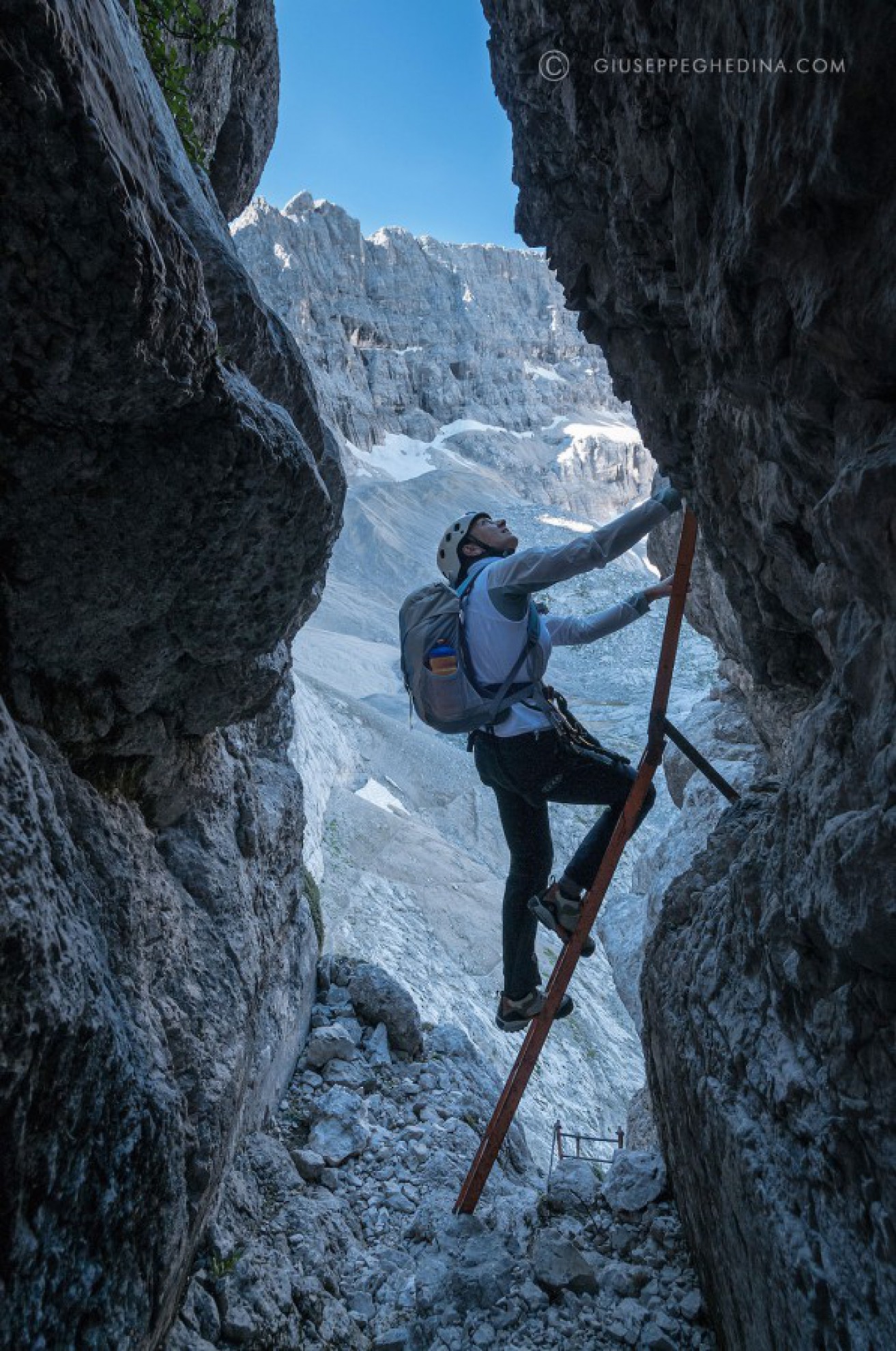
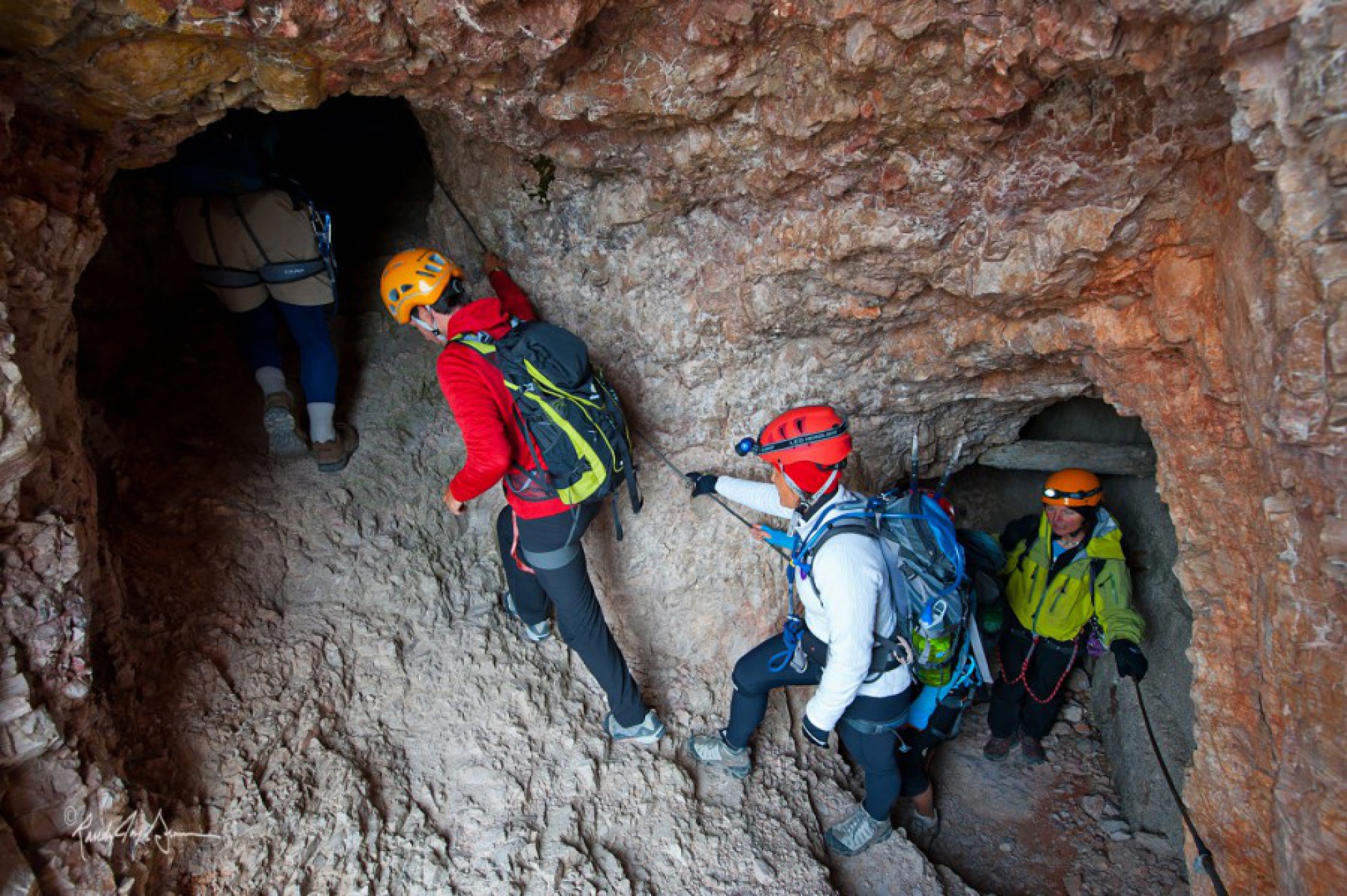
- Walk through WWI tunnels and climb routes built by soldiers
- Sleep two nights in traditional mountain rifugios
- Access peaks and views usually reserved for mountaineers
Itinerary
-
Day 1
Arrive in Cortina d’Ampezzo
Arrive in Cortina d'Ampezzo, an alpine town surrounded by soaring peaks and lively energy. Take some time to settle into your hotel, explore the cobbled streets, and enjoy the mountain vibes at your own pace. The adventure starts here!
-
Hotel in Cortina d'Ampezzo (B)
-
Day 2
Vie Ferrate Ra Pegna e Ra Bujela
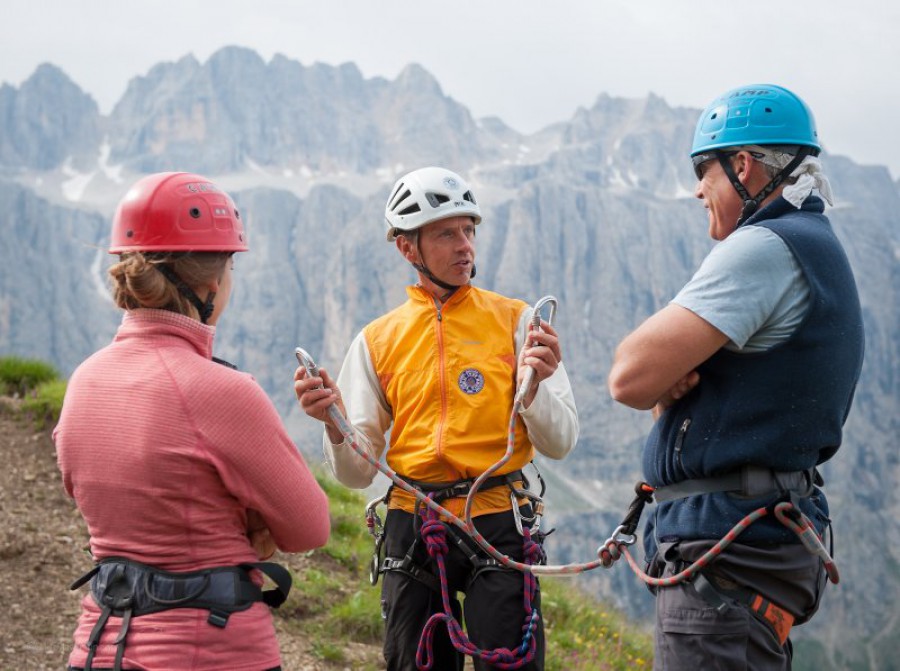
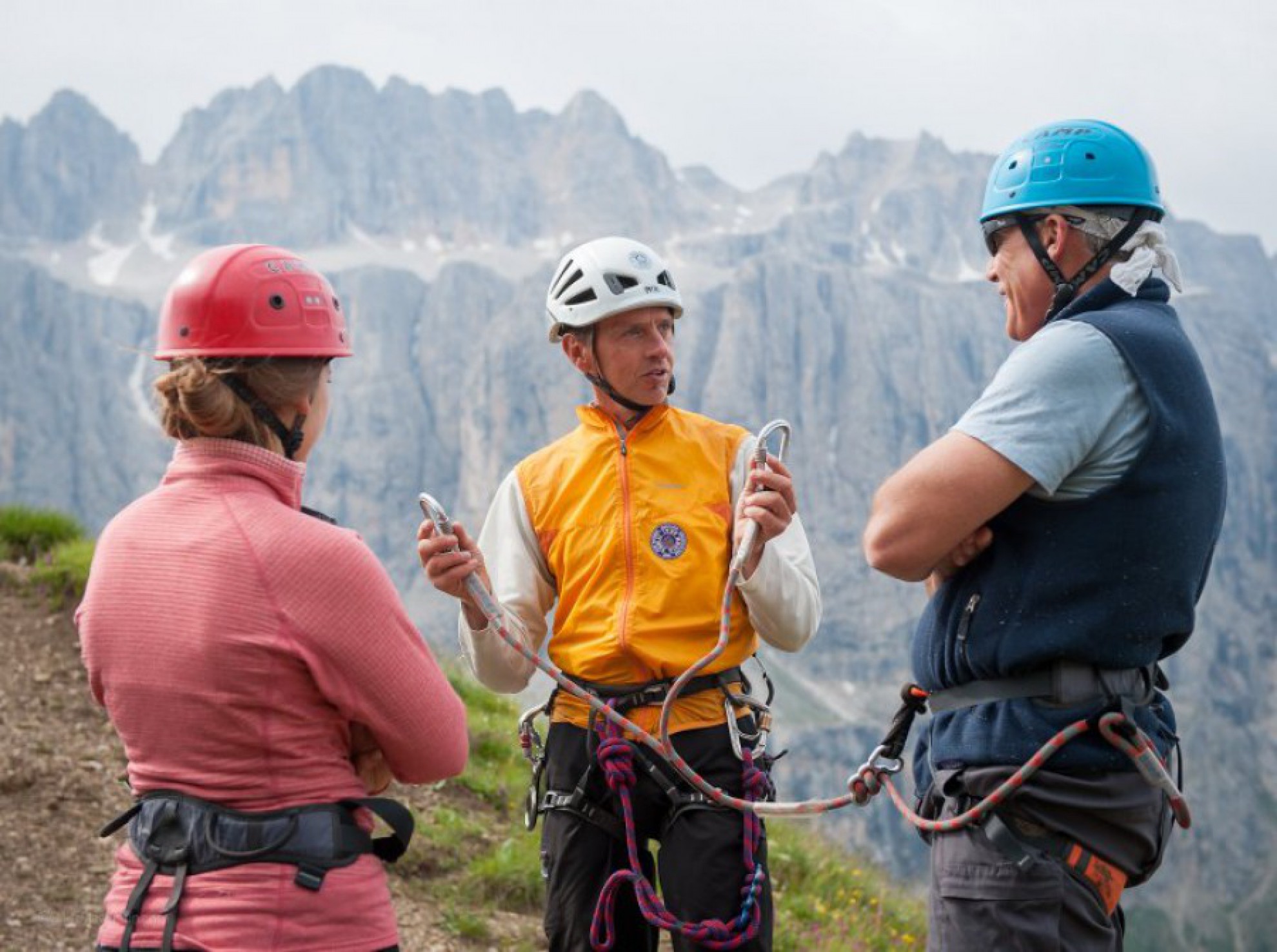
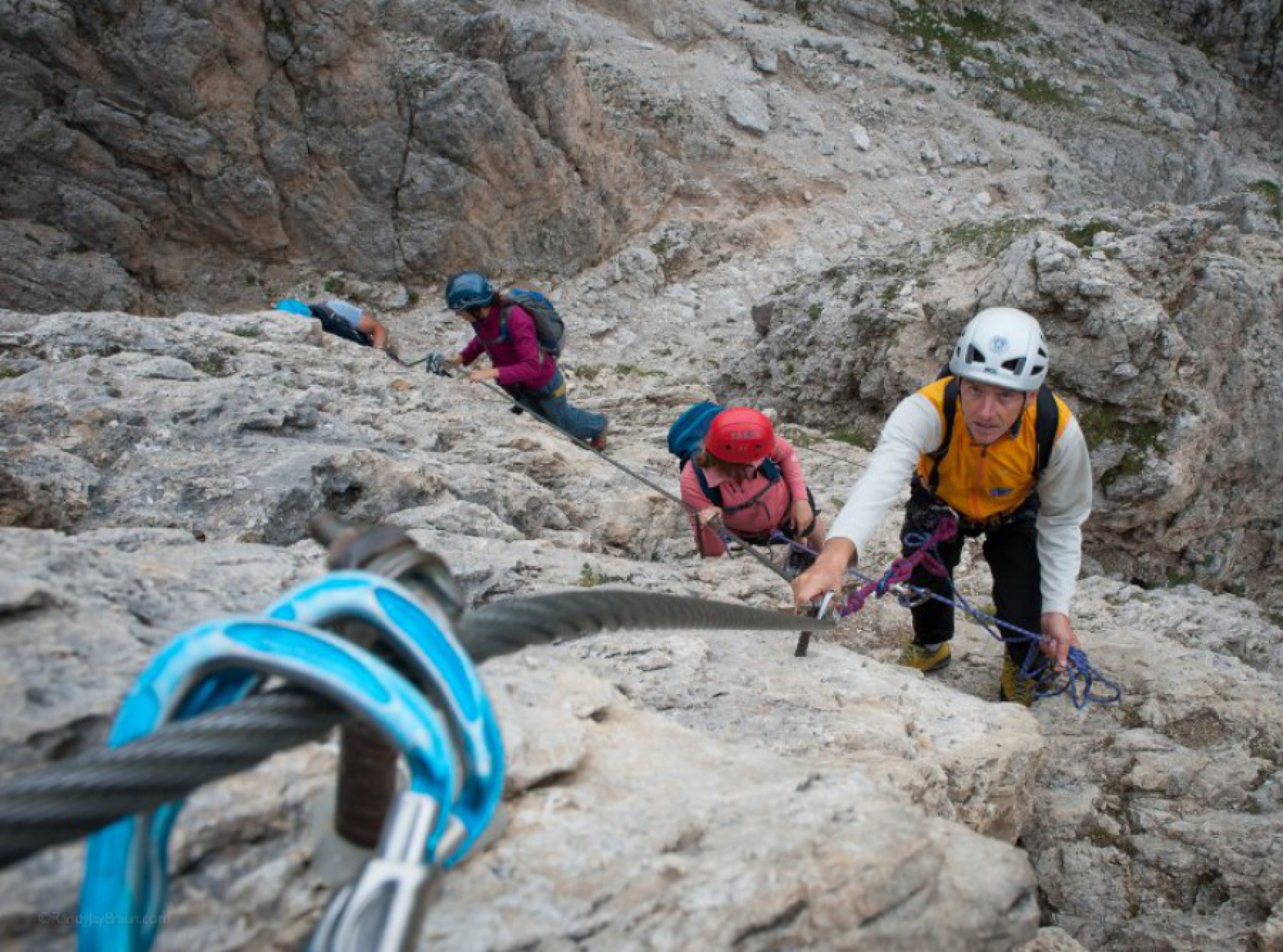
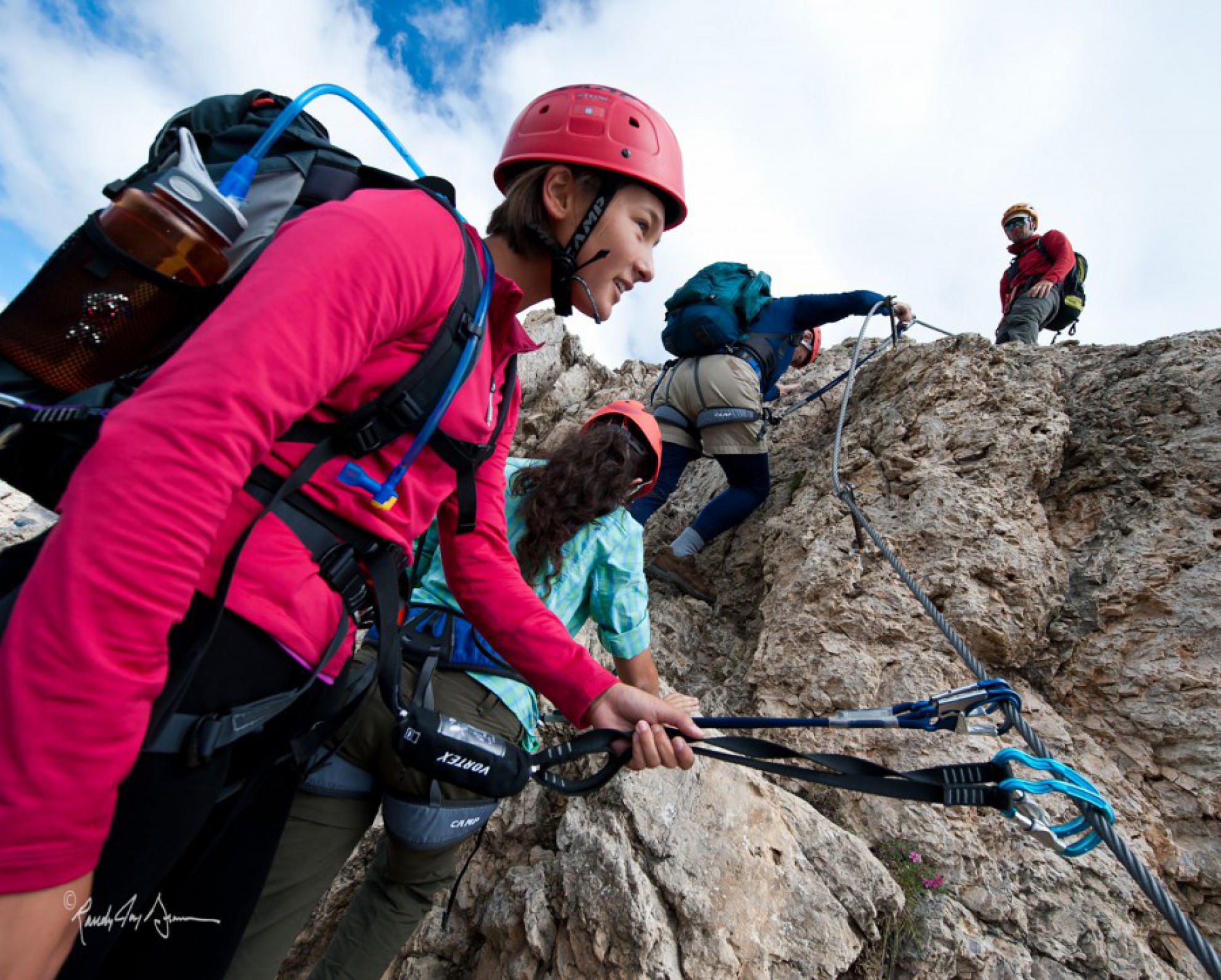
First day on the iron paths! Your guide takes you to two easier routes in the Tofana Group which are perfect for getting comfortable with the gear and getting your via ferrata legs under you. Great summit views to boot!
(2,5 hours ascending two easy via ferratas. Total 200m / 656' ascent and 150m / 495' descent.) -
Rfugio (B,D)
-
Day 3
Via Ferrata Col dei Bos
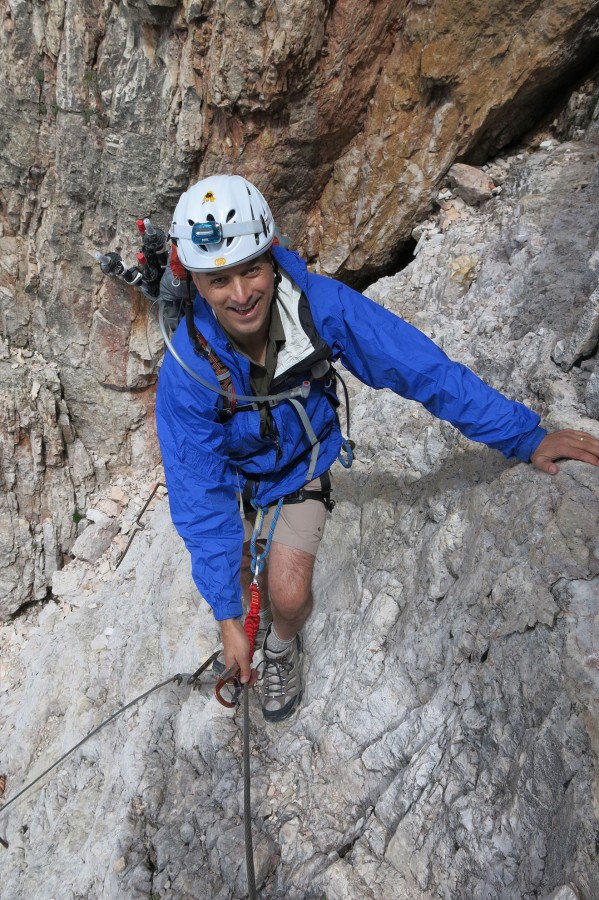
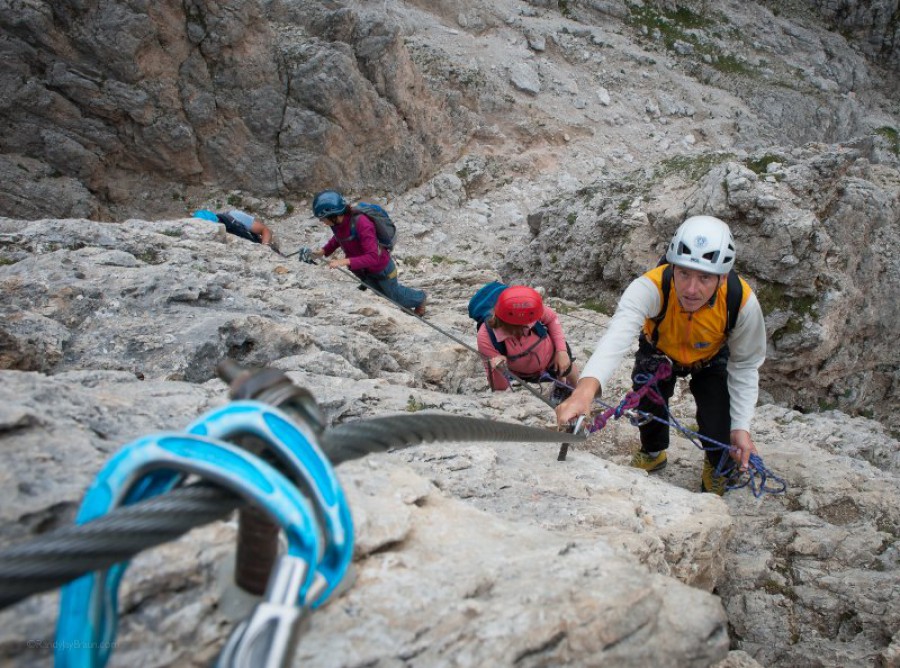
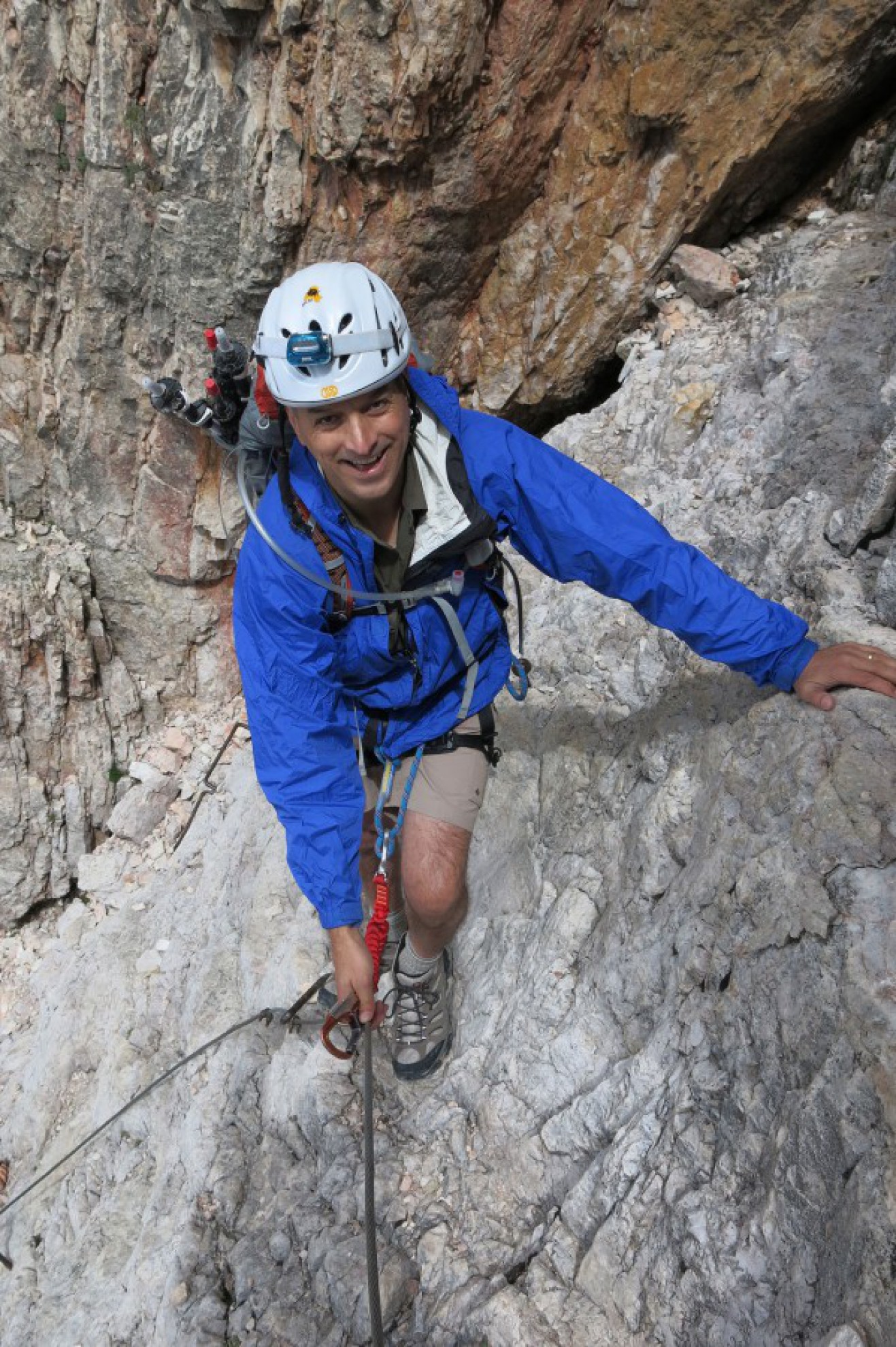
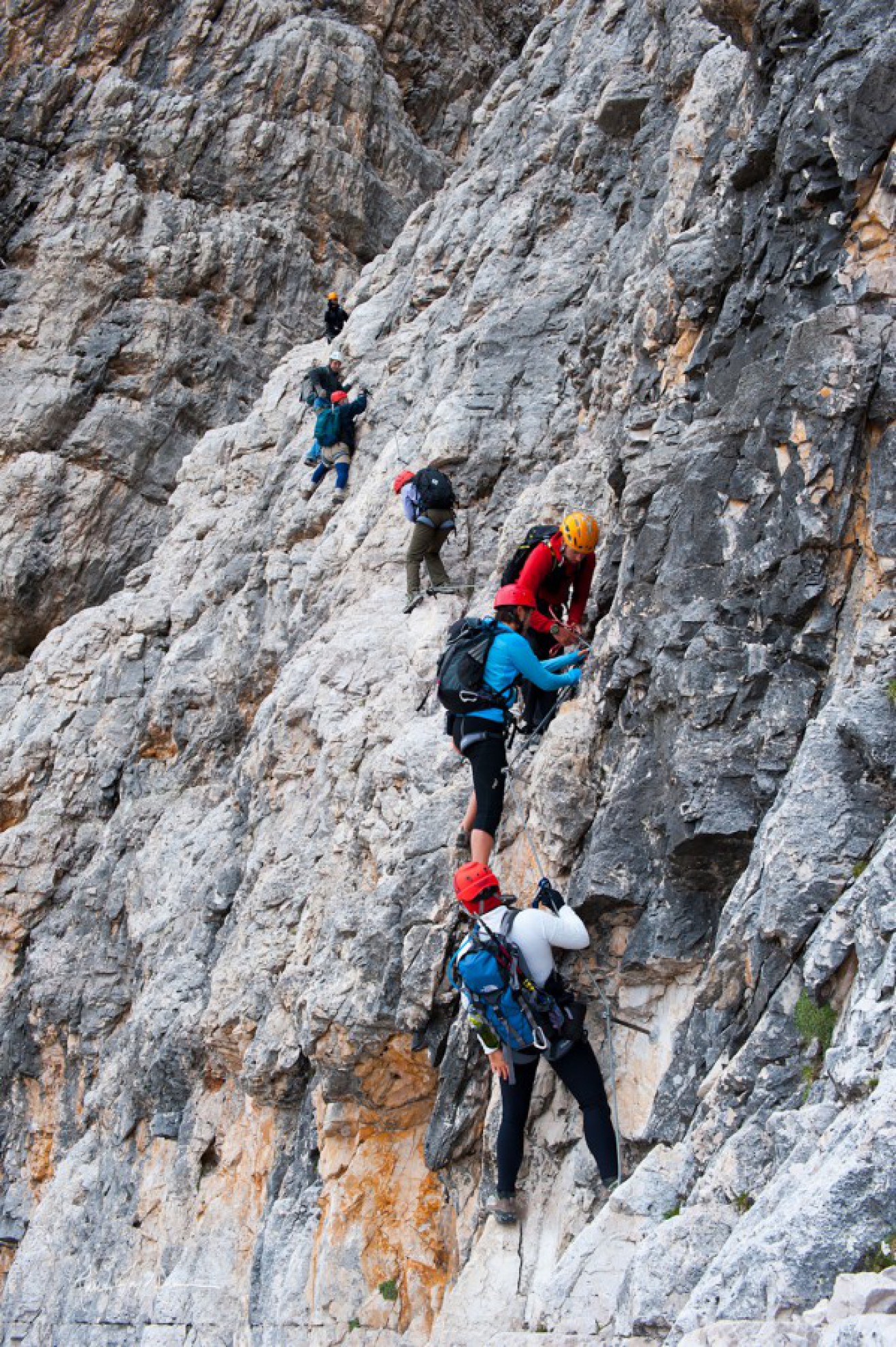
We'll step it up today. This via ferrata is newer, quieter, and built by Alpine troops who still train on it. Mix of challenging sections and easier terrain. Enjoy amazing views of the Ampezzo Basin. They get better with every meter!
(4-5 hours hiking, ~8 km / 5 miles, climbing a moderate 400m / 1,312' via ferrata. 500m / 1,640' total ascent and descent.) -
Rifugio (B,D)
-
Day 4
Via Ferrata Punta Anna or Giovanni Lipella
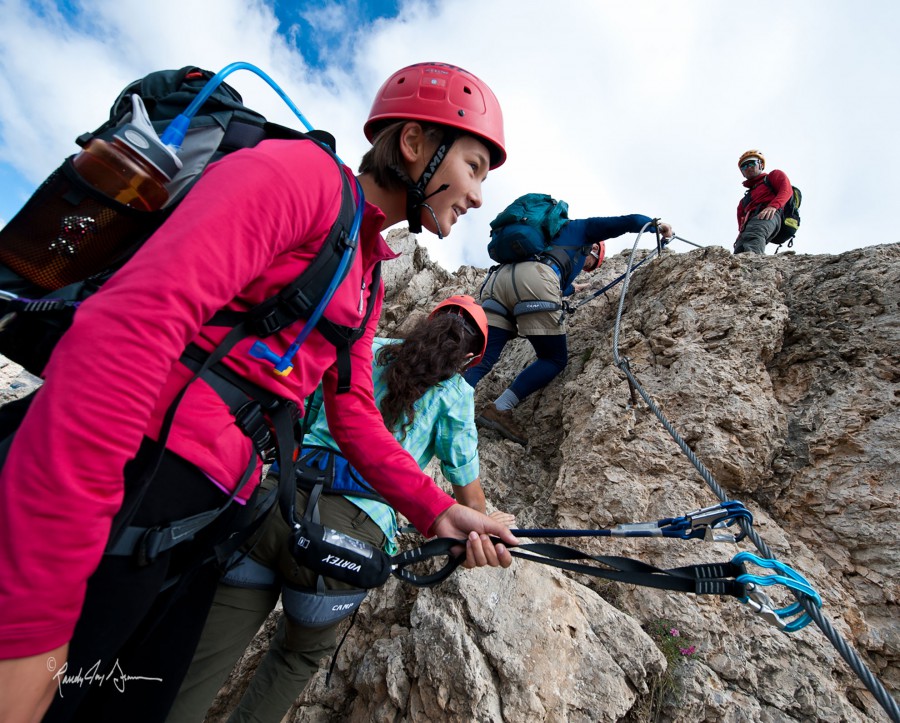
Your last day on the ropes and you have two route options based on how you're feeling and what the weather's doing. One's a serious climb with unique geology. The other is a full-day push to one of the most stunning peaks in the Dolomites and a WWI tunnel you'll walk through by headlamp. Full day hiking.
(~9 km / 6 miles, climbing a challenging 600m / 1,969' via ferrata. 894m / 2,993' ascent, 1,563m / 5,128' descent.) Note: a shorter 5-hour option is available. -
Hotel in Cortina d'Ampezzo (B)
-
Day 5
Departure
Leave independently after breakfast (private transfer upon request).
More information
Via Ferrata - Moderate to ChallengingModerate to challenging via ferratas (grades 2C–3C, with possible 4A). More demanding routes with longer approaches and varied terrain, offering rewarding challenges and great fun along the way.
- Helmet
- Climbing harness
- Double via ferrata lanyard with shock absorber
- The equipment listed above may be included or available for an additional fee based on your selected itinerary. Please refer to the "What's included" section for more details.
- Lightweight or mid-weight hiking boots (waterproof, sturdy, with ankle support)
- For Glacier trips: sturdy boots that accept crampons are required
- Long-sleeved synthetic or cotton shirt
- Short-sleeved synthetic or cotton T-shirts
- Regular underwear (synthetics recommended)
- Medium-weight synthetic jacket
- Quick-drying full-length pants
- Shorts
- Lightweight Gore-Tex or equivalent rain/wind jacket and pants
- Baseball cap or wide-brimmed sun hat
- Bandanna
- Gear
- Daypack (20L for hotel-based trips; 35L for hut-to-hut trips)
- Waterproof backpack cover
- Water bottle (1-1.5 quart) or hydration system
- Trekking poles (recommended for knee support and stability)
- Sunglasses
- Sunscreen (SPF 15 or higher) and lip balm
- Personal first-aid kit
- Toiletry kit
- Lightweight socks (liner socks and synthetic athletic socks)
- Silk sleeping bag liner (required for rifugio dormitory accommodation)
- Small amount of laundry detergent for handwashing
- Ziploc bags for organization
- Gloves and warm hat (for high-altitude hikes)
- 3/4-finger leather gloves (for via ferrata)
- Ace bandage or brace for knee/ankle support
- Spare prescription glasses or contact lenses
- Camera with extra batteries or charger
- Swimsuit (some hotels have pools and saunas)
- Casual clothes for evenings
More information

DOLOMITE 360
YOUR JOURNEY, OUR EXPERTISE. EVERYDAY.
When you embark on an adventure, you want the assurance of being supported by experts who share your passion. Every day, we strive to offer you the best, making our expertise available to make your adventure an extraordinary experience. By choosing us, you are guaranteed professional and dedicated support at every step of your journey.

OUR PARTNERS
SUPPORTED BY
Thank you to our partners for making our mission possible.
You are a fundamental part of our family..






PARTNERS